

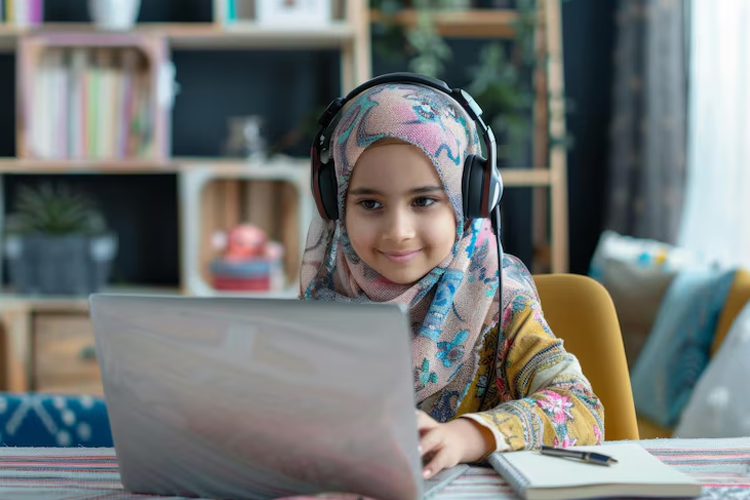
Teaching Islamic manners for children, known as adab, is as important as teaching them to read the Quran. The Prophet Muhammad ﷺ said that he was sent to perfect good character (al-Adab al-Mufrad of Imam al-Bukhari), and children learn that character mostly by watching the adults around them. This guide groups the key Islamic manners by the places children spend their day, at home, at the table, with friends and at school, in the mosque and online, with the source for each, and shares practical ways UK parents can make good manners a natural habit.
Why Adab Matters So Much
The Prophet ﷺ said that the best among you are those with the best character (Sahih al-Bukhari). In Islam, manners are not just politeness; they are part of faith and worship. Children who learn adab early carry it into school, friendships and, one day, their own families. For British Muslim children growing up in a diverse society, good manners are also one of the most powerful ways to show what Islam teaches.
Manners at Home
- Respect and kindness to parents. Allah commands kindness to parents and forbids even saying "uff" to them (Al-Isra 17:23).
- Greeting the family. Say "As-salamu 'alaykum" when coming home. The Prophet ﷺ taught that spreading the greeting of salam builds love between people (Sahih Muslim).
- Asking permission before entering. The Quran teaches children to ask permission before entering their parents' room at three times of day: before Fajr, at midday rest and after 'Isha (An-Nur 24:58).
- Helping at home. The Prophet ﷺ used to help with household chores, as his wife 'A'ishah described (Sahih al-Bukhari).
Manners at the Table
One of the most famous lessons in adab was given to a child. The Prophet ﷺ said to young 'Umar ibn Abi Salamah: "O boy, mention the name of Allah, eat with your right hand, and eat from what is in front of you" (Sahih al-Bukhari and Sahih Muslim). From this, children learn to:
- Say Bismillah before eating and Alhamdulillah afterwards.
- Eat and drink with the right hand.
- Take food from the side of the plate nearest to them.
- Never criticise food. The Prophet ﷺ never found fault with food: if he liked it he ate it, and if not he left it (Sahih al-Bukhari and Sahih Muslim).
Manners With Friends and at School
- Truthfulness. The Prophet ﷺ said that truthfulness leads to righteousness and righteousness leads to Paradise (Sahih al-Bukhari and Sahih Muslim).
- Smiling. Smiling at your brother is charity (Jami' at-Tirmidhi).
- Mercy to the young and respect for elders. The Prophet ﷺ said that whoever does not show mercy to our young or respect our elders is not one of us (Jami' at-Tirmidhi).
- Kindness to everyone, including classmates of other faiths, teachers and dinner staff.
- Keeping promises and returning things that were borrowed.
Manners in the Mosque
- Enter with the right foot and say the dua for entering the mosque.
- Walk calmly and speak quietly.
- Never walk directly in front of someone who is praying.
- Keep shoes neatly on the rack and keep the mosque clean.
Manners Online and With Screens
Islamic manners apply online too, and today's children need to hear this clearly:
- Speak kindly in games and chats, just as you would face to face.
- Never mock, share embarrassing pictures or spread rumours.
- Look away from anything inappropriate and tell a parent.
- Do not let screens stop you from prayer, family time or sleep.
How to Teach Islamic Manners for Children So They Last
- Model first. Children copy what they see. Greet them with salam, say Bismillah aloud, speak kindly to your spouse.
- One manner a week. Choose a "manner of the week" and focus on it as a family.
- Tell the stories. Short stories from the life of the Prophet ﷺ make manners memorable.
- Praise specifically. "I noticed you shared your snack with your sister, that was kind" teaches more than "good girl".
- Correct gently and privately. Embarrassing a child in front of others rarely changes behaviour.
- Use a chart. Younger children love ticking off manners they practised each day.
A Simple Eight-Week Plan
| Week | Manner of the week |
|---|---|
| 1 | Saying salam at home and when meeting people |
| 2 | Bismillah and eating with the right hand |
| 3 | Speaking kindly to parents |
| 4 | Telling the truth, even when it is hard |
| 5 | Sharing and being kind to younger children |
| 6 | Asking permission before entering a room |
| 7 | Keeping clean and tidy |
| 8 | Kind words online and in games |
After eight weeks, start again with more detail, or let your child choose the next manner to focus on.
Manners and Quran Learning Go Together
Good adab and Quran learning support each other: children who respect their teacher and their Mushaf learn better, and the Quran itself teaches good character. Many families teach manners alongside daily duas, such as Bismillah before eating and the duas for sleeping and leaving the house, because both are practised at the same moments of the day. Children who are just starting to read can begin with Noorani Qaida, and for help building good habits around Quran lessons, read our guides on keeping kids motivated and what age to start learning Quran.
Frequently Asked Questions
What are Islamic manners for children?
They include greeting with salam, saying Bismillah, eating with the right hand, respecting parents and elders, telling the truth, being kind, asking permission and keeping clean.
What is adab in Islam?
Adab means good manners and proper conduct, towards Allah, people, animals and the world around us. It is part of good character, which Islam places great emphasis on.
How do I teach my child Islamic manners?
Model the manners yourself, focus on one manner a week, tell stories from the life of the Prophet ﷺ, and praise your child specifically when they practise it.
At what age should children learn Islamic manners?
From the very beginning. Toddlers can learn salam and Bismillah, and older children can learn more detailed manners with their reasons.
What did the Prophet teach children about eating?
He taught a young boy to say Bismillah, eat with his right hand and eat from what is in front of him (Sahih al-Bukhari and Sahih Muslim).
Do Islamic manners apply online?
Yes. Kindness, honesty and modesty apply in games, chats and social media just as they do face to face.
 Kids
 Kids
 Kids