

Learn the rules of Tajweed step by step with a qualified teacher in live, one-to-one online classes. Four clear levels take you from the Arabic letters to confident, beautiful recitation, at times that suit your family.
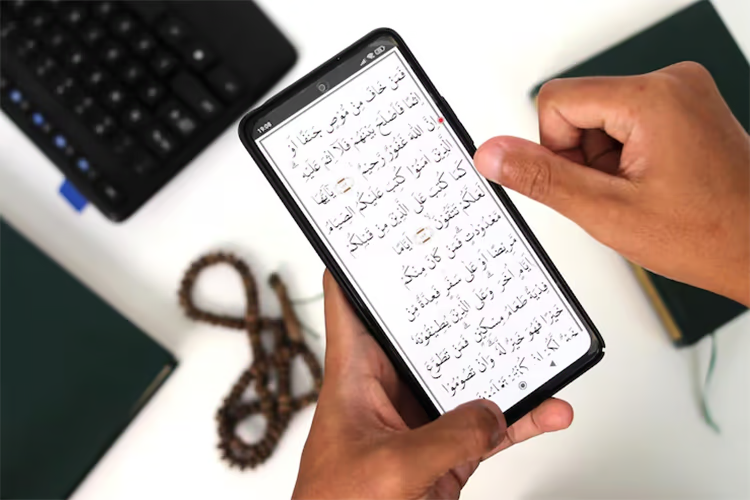
Tajweed means "to make better". It is the set of rules that tells you where each Arabic letter is pronounced from (its Makhraj), the qualities that give each letter its sound (Sifaat), how long to stretch a vowel (Madd), and where to pause or stop (Waqf). The Quran was revealed to the Prophet ﷺ and recited with these rules, and every generation has learned it the same way: from a teacher, by listening and reciting.
Small mistakes in pronunciation can change the meaning of a word. Learning Tajweed protects the meaning of the Quran, makes your Salah more beautiful, and gives you the confidence to recite in front of others.
Our course follows the recitation of Hafs 'an 'Asim, the narration used in most Mushafs in the UK.
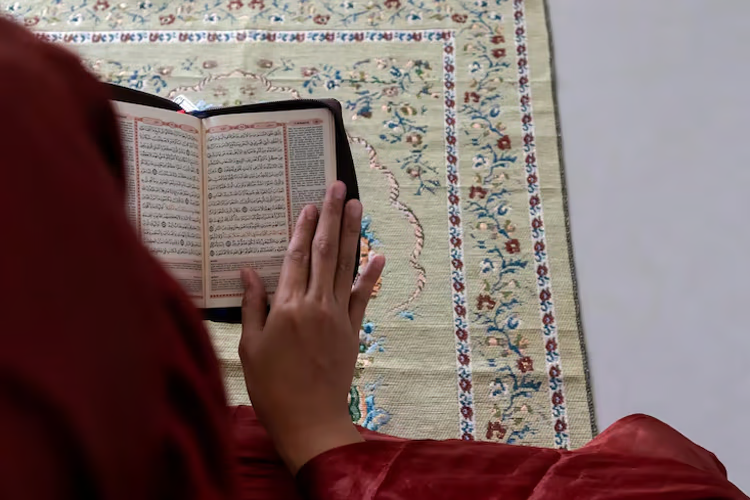
Every rule is taught with examples from the Quran and practised out loud with your teacher until it becomes natural.
The 17 articulation points of the Arabic letters: throat, tongue, lips and nose, so every letter sounds distinct.
The permanent and temporary qualities of letters, including heavy (Tafkheem) and light (Tarqeeq) letters.
Izhar, Idghaam, Iqlab and Ikhfa, plus Ghunnah, the nasal sound held for two counts.
Natural and secondary Madd, how many counts each one takes, and how to keep your rhythm steady.
The echoing sound of the Qalqalah letters, and when the Laam of "Al" is pronounced or merged.
Where to stop and start using the signs in the Mushaf (Rumooz-e-Auqaf), so the meaning is never broken.
Your teacher checks your recitation in the free trial and starts you at the right level. Classes run 30 minutes, 3 to 5 days a week.
For children and adults who are new to the Arabic alphabet. Using Noorani Qaida, students learn every letter in its beginning, middle and end forms, join letters into words, and read short and long vowels, Sukoon, Shaddah and the stopping signs correctly.
Reading the Quran while applying the basic rules: correct Makharij, heavy and light letters, and Ghunnah. Students also memorise 10 short Surahs with Tajweed for use in Salah.
Rules of Noon Sakinah and Tanween, Meem Sakinah and Laam Sakinah, Qalqalah, Hamzatul Wasl and correct Waqf. Students recite longer passages while the teacher corrects every mistake, with short tests to check progress.
The finer details: Sifaat-e-Lazimah and Sifaat-e-Aridhah, all types of Idghaam and Madd, and consistent application across complete Surahs. Graduates can continue to our Qirat course or Ijazah course.
Short, lively lessons after school with patient teachers who make Tajweed fun.
Quran classes for kids →Private lessons around work. It is never too late to correct your recitation.
Quran classes for adults →Start from the very first letter with clear English explanations.
Classes for beginners →
Yes. Tajweed is learned by listening and reciting, and a live one-to-one video class lets your teacher hear every letter and correct it immediately, just like sitting with a teacher in person.
It depends on your starting point and how many classes you take each week. Most students who already read the Quran see a clear improvement within a few months; complete beginners first finish Noorani Qaida.
Yes. Level 1 starts with the Arabic alphabet through Noorani Qaida, so no previous knowledge is needed.
Yes. Sisters and girls can learn with a qualified female teacher, and male teachers are also available.
We teach the recitation of Hafs 'an 'Asim, the narration used in most copies of the Quran in the UK. Advanced students can explore other Qiraat in our Qirat course.
Plans start from £30 a month for three 30-minute one-to-one classes a week. See the fee plans below, and book a free trial class first.
Book a free one-to-one Tajweed class and meet your teacher.
Every plan includes live one-to-one classes with a qualified teacher, a free trial class and progress updates. No travel, no hidden costs.
Not sure which plan suits you? Book a free trial class and your teacher will recommend one. Full details on our fee page.
Tell us who the classes are for and when suits you. Our admissions team will match you with a male or female teacher and confirm your free class.